HybridDeep-Sybil: AI-Driven Sybil Attack Detection for Connected Vehicles
HybridDeep-Sybil combines CNN-based feature extraction and LSTM temporal modeling to detect Sybil attacks in V2X vehicular environments while consider...
The AI-Based Autonomous System Research Lab at Texas A&M University–Kingsville conducts interdisciplinary research in artificial intelligence, machine learning, autonomous systems, robotics, edge intelligence, and cyber-physical systems. The lab’s mission is to develop AI that enables connected, autonomous systems to sense, learn, communicate, reason, and make reliable real-world decisions. Integrating theoretical research, algorithm development, and experimental implementation, the lab actively involves undergraduate and graduate students in research, publications, competitions, and collaborations.
Sensing → Reasoning → Acting. The tagline is the method, not a slogan.
Publications
0
peer-reviewed record
Lab members
0
director and researchers
Citations
0
Google Scholar total
Open positions
0
accepting now
FROM THE LAB
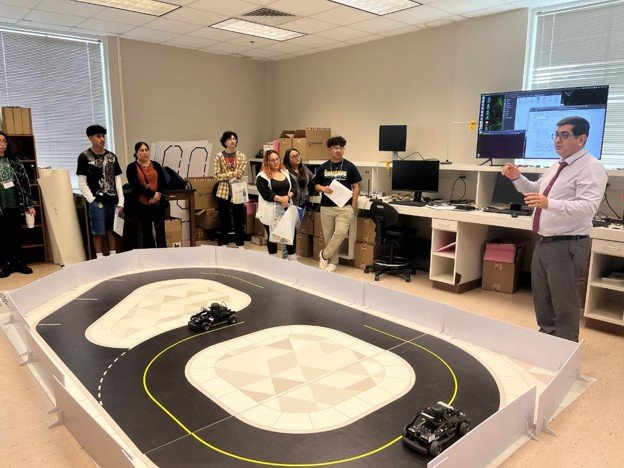
Prof. Haitham Y. Adarbah demonstrating autonomous vehicle operation and navigation to students at Texas A&M University–Kingsville (TAMUK), providing hands-on insight into intelligent and autonomous systems.
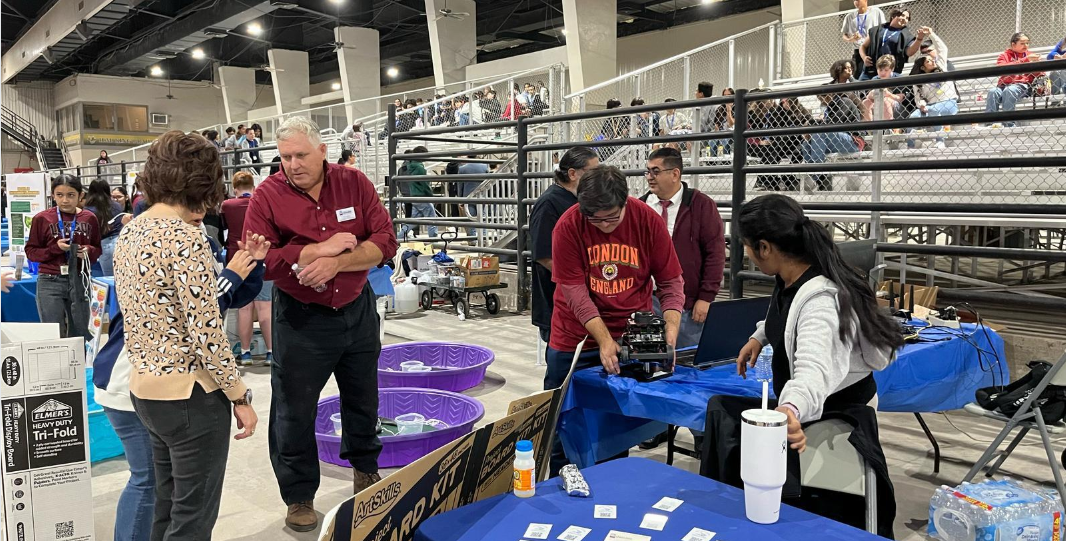
The project showcasing for the students in robotics and autonomous vehicles
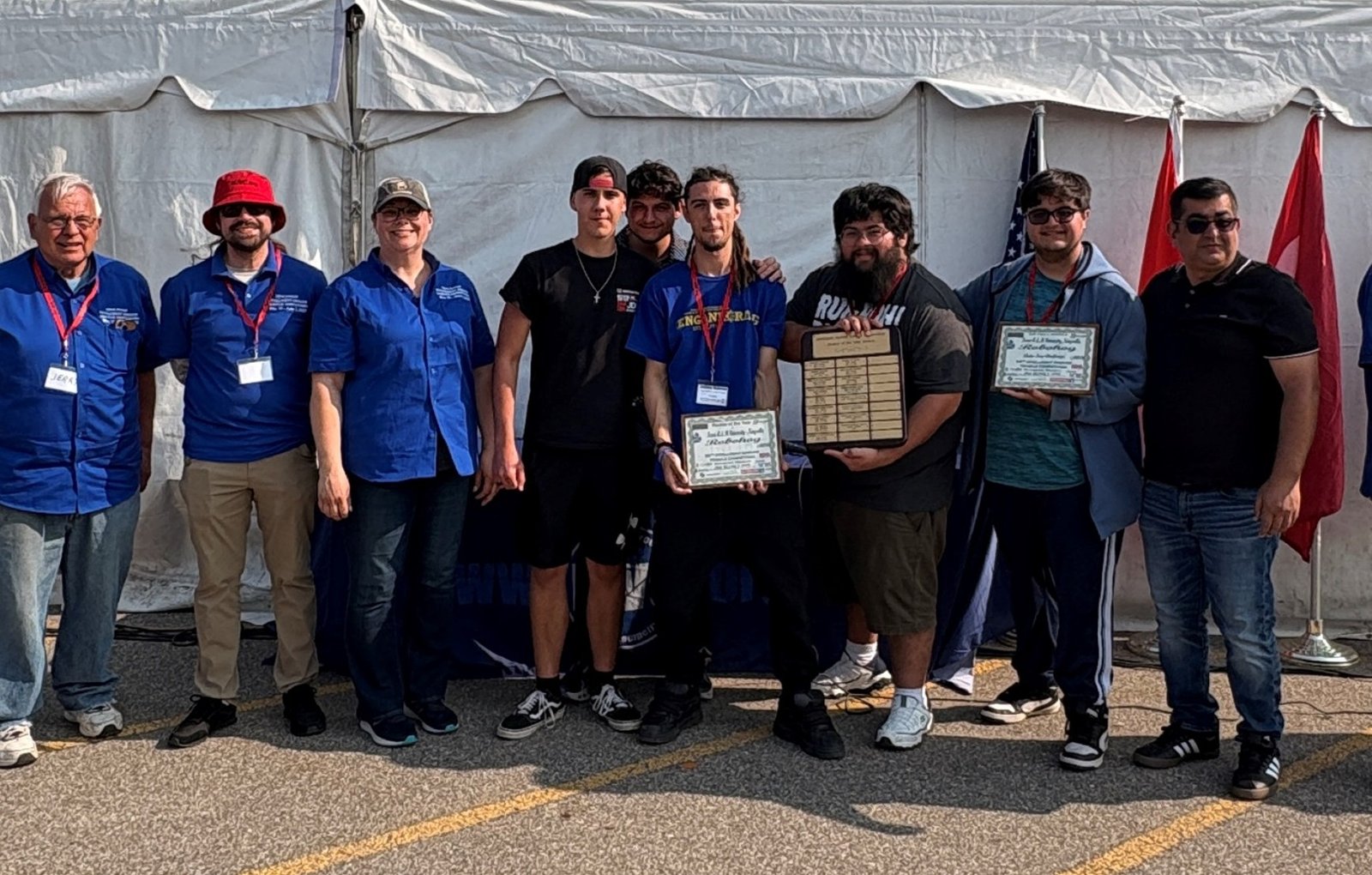
International Intelligent Ground Vehicle Competition (IGVC), Oakland University — 6th Place Overall out of 32 teams and Rookie of the Year Awar
01 / RESEARCH AREAS
Each area owns part of the sense–reason–act chain, and most projects touch more than one of them.
AREA 01
Training and unlearning across distributed clients, with Byzantine robustness and privacy budgets that survive contact with real edge hardware.
AREA 02
V2X and MANET security: authentication protocols, digital-twin traffic environments, and defences against routing and forwarding attacks.
AREA 03
Clinical and assistive models built to be checked — ECG arrhythmia detection, breast-ultrasound diagnosis, and multi-sensor elderly-care monitoring.
AREA 04
LLM-based formative feedback and exemplar selection for school mathematics, evaluated for feasibility before deployment.
02 / METHOD
Three stages, in order. The order is the information: nothing is acted on before its confidence is known.
STAGE 01
Reading the environment through instruments that are noisy, partial and occasionally wrong — and knowing which is which before anything downstream trusts them.
STAGE 02
Turning raw measurement into a model the system can act on, carrying an honest uncertainty estimate rather than a single confident number.
STAGE 03
Committing to a decision and carrying it out — the point where an autonomous system stops observing and takes responsibility for an outcome.
03 / LEARN WITH THE LAB
Syllabus, learning outcomes and a weekly outline for each course the lab teaches.
04 / NOTES
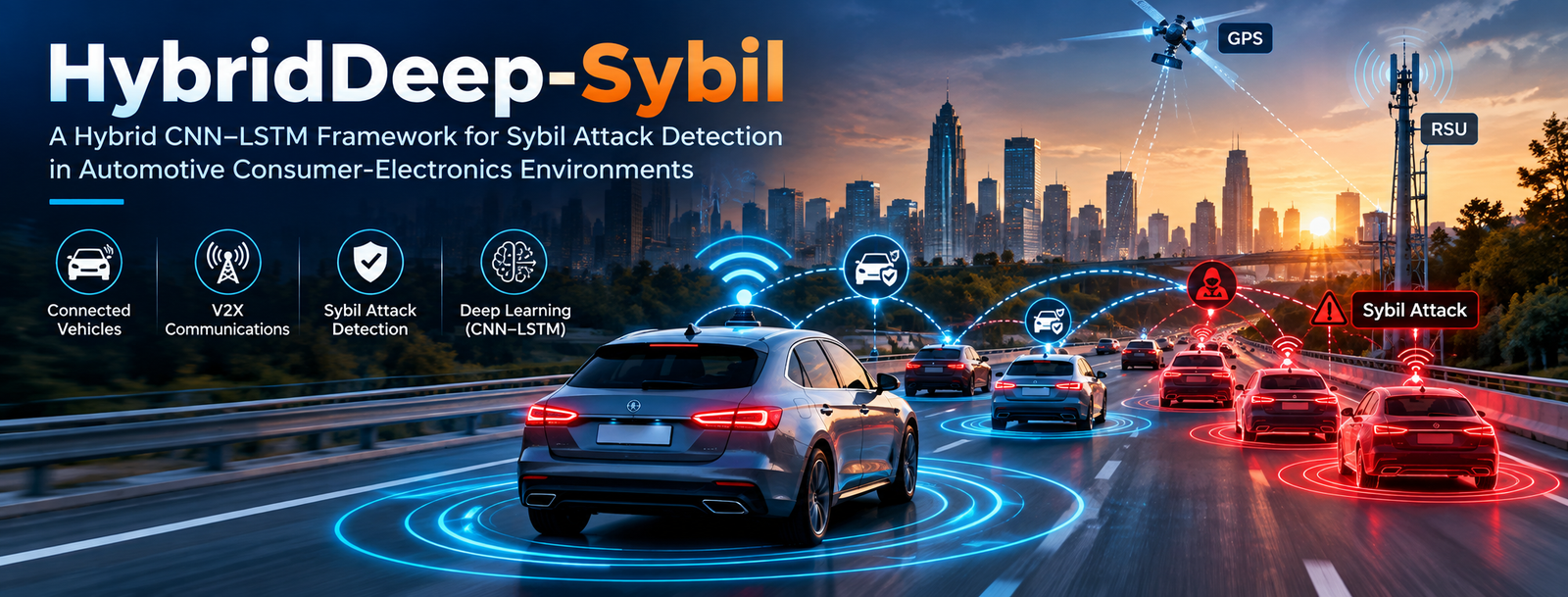
HybridDeep-Sybil combines CNN-based feature extraction and LSTM temporal modeling to detect Sybil attacks in V2X vehicular environments while consider...

FedQDFU investigates whether a compact variational quantum classifier can support privacy-aware diabetic foot ulcer classification from deep image fea...
05 / RECENT OUTPUT
New publications, news and events as they land.
2026 · CONFERENCE
2026 · CONFERENCE
2026 · CONFERENCE
2026 · CONFERENCE
Oct 5, 2026
🎉 Research Publication News | Our Manuscript Has Been Published!
Sep 29, 2026
Accepted! [AI, MDPI]: FedQDFU: Non-IID Federated Quantum Learning for Diabetic Foot Ulcer Classification from Deep Image Features
Sep 28, 2026
Neuronomy Lab Launches New Website