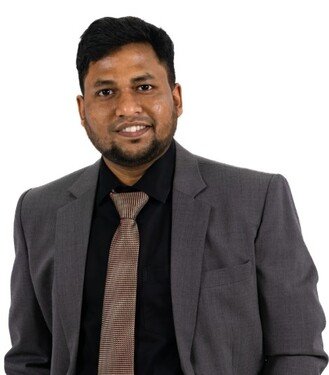
Md Wahidur Rahman
Doctoral Researcher
Deep Learning, Medical Informatics, Quantum Machine Learning, Sustainable Agriculture
The research is a field of unknown application of AI in X, such as Education, Healthcare, Agriculture, and Transportation
Publications
8
Citations
—
Researchers
3
Alumni
1
Open positions
—
01 / WHO WORKS ON THIS
Members of the lab whose work sits in this area.
Md Wahidur Rahman
Doctoral Researcher
Deep Learning, Medical Informatics, Quantum Machine Learning, Sustainable Agriculture

Mohammad Sadman Tahsin
Doctoral Researcher
Machine Learning, Deep Learning, Quantum Machine Learning
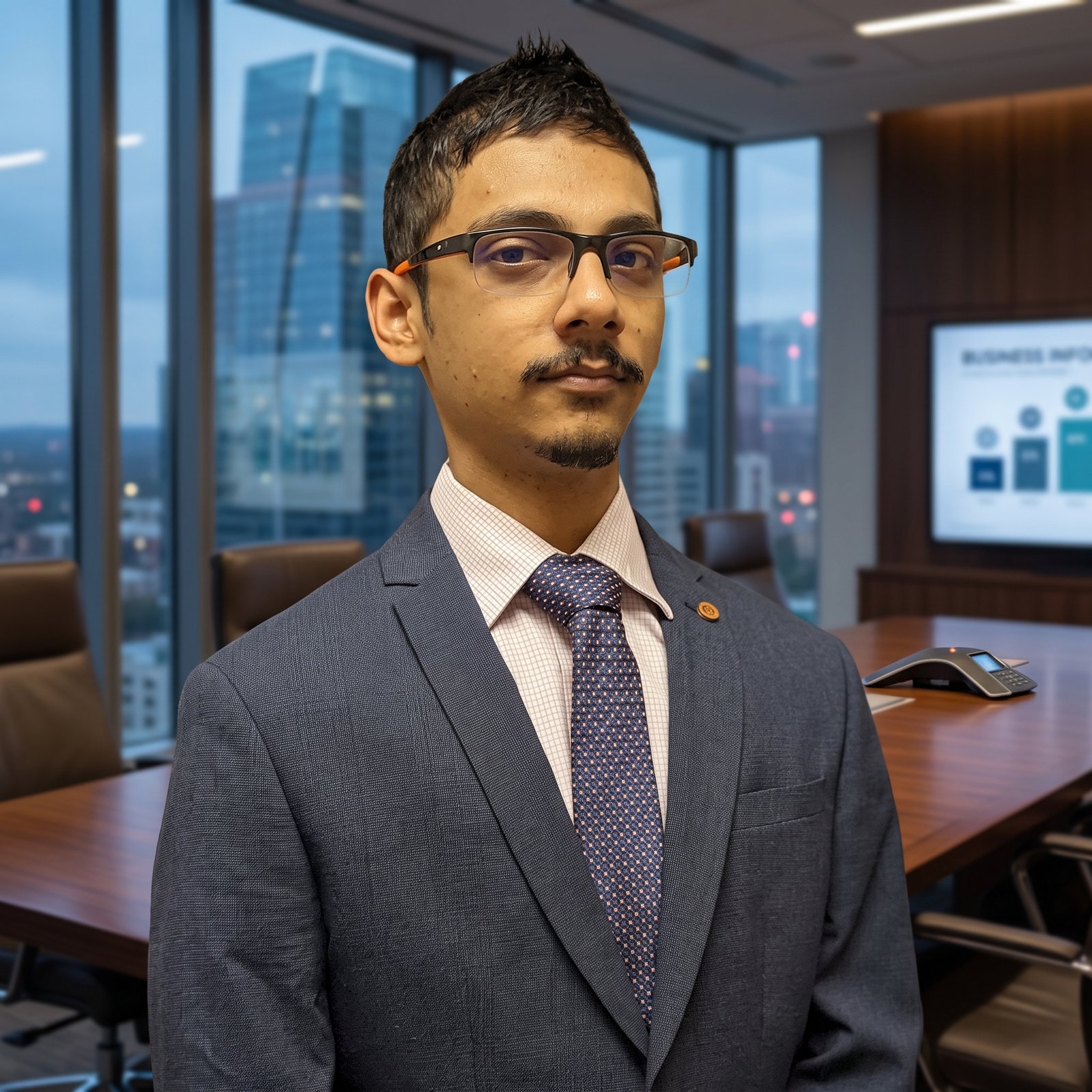
Anurag Mallik
Doctoral Researcher
Deep learning, and Image processing.
02 / WHO WORKED ON IT BEFORE
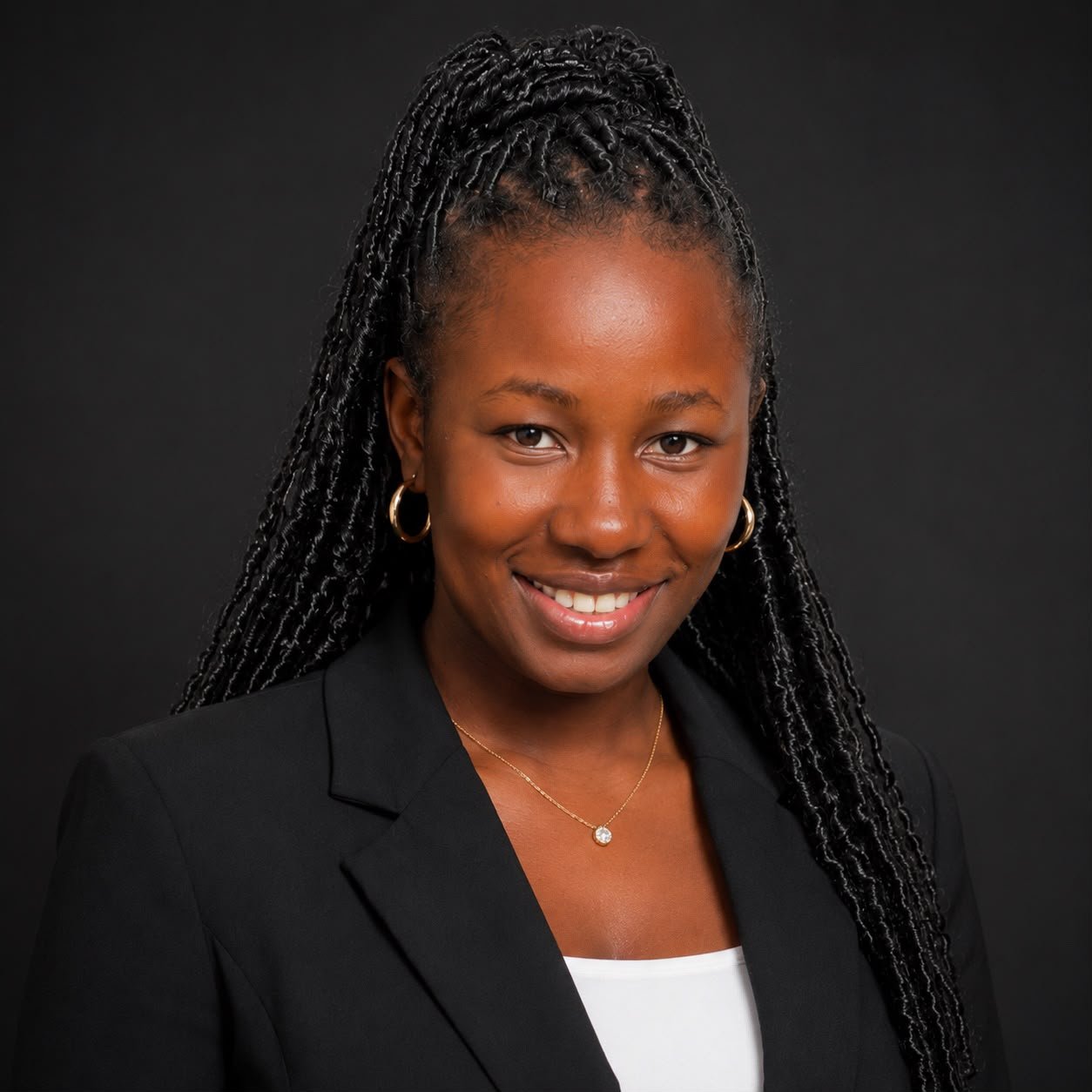
Oyindamola Eniola Ajiboye
Now at Open to Work · joined 2025
03 / WHAT CAME OUT OF IT
Everything the lab has published in this area, newest first.
2026
Md Wahidur Rahman, Md Rahat Khan, Shakil Ahmed, Haitham Y. Adarbah, Mohammad Sadman Tahsin, Afzel Noore
Diagnostics, vol. 16, no. 22
Md Wahidur Rahman, Haitham Y. Adarbah , Md Rahat Khan , Kaniz Roksana, Md Sariful Islam, Mohammad Sadman Tahsin and Afzel Noore
AI (MDPI)
M. S. Tahsin, H. Y. Adarbah, A. Noore
2nd Workshop on Data Quality-Aware, High-Performance, and Trustworthy AI Systems for Healthcare (TAIS4H), co-located with IEEE/ACM CHASE, Pittsburgh, PA, USA
M. R. Tonmoy, D. Che, H. Y. Adarbah, A. Noore
2nd Workshop on Data Quality-Aware, High-Performance, and Trustworthy AI Systems for Healthcare (TAIS4H), co-located with IEEE/ACM CHASE, Pittsburgh, PA, USA
H. Y. Adarbah, J. E. Henry, M. R. Tonmoy, A. J. Rimu, J. M. Chowdhury, N. D. Mbue, A. Noore
Workshop on AI-Powered Resilient Mobile Health (ARMH), co-located with IEEE/ACM CHASE, Pittsburgh, PA, USA
M. S. Tahsin, H. Y. Adarbah, A. Noore
IEEE Access, vol. 14, pp. 62803–62817
H. Y. Adarbah, M. N. R. Dar, E. S. Ghith, A. Noore
Engineering Reports, vol. 8, no. 6, Art. no. e70901
Muhammad Zubair Islam, Afzel Noore, Haitham Y. Adarbah, ASM Sharifuzzaman Sagar, Amir Haider
IEEE Sensors Journal
ELSEWHERE IN THE LAB
AREA 01
Training and unlearning across distributed clients, with Byzantine robustness and privacy budgets that survive contact with real edge hardware.
AREA 02
Designed for Quantum Machine Learning in healthcare, cybersecurity, education, even in large language models.
AREA 03
V2X and MANET security: authentication protocols, digital-twin traffic environments, and defences against routing and forwarding attacks.
AREA 04
A Wireless Sensor Network (WSN) consists of a spatially distributed collection of dedicated, autonomous devices equipped with sensors to cooperatively monitor physical or environmental conditions. These compact nodes track data—such as temperature, pressure, motion, or acoustics—and leverage radio signals to pass their measurements through the network infrastructure to a central location, known as a base station or sink, where the data is analyzed. Because these networks typically operate in remote or hazardous environments, they rely heavily on low-power, ad-hoc wireless routing protocols and localized battery power to maintain long-term, self-healing communication without human intervention.
AREA 05
Signal-level models for sensing and interaction, from sEMG recognition to energy forecasting on constrained devices.
AREA 06
Wireless sensor networks, protocol performance under noise, and the systems work that makes distributed intelligence deployable.